
Joint pains can significantly disrupt daily life by limiting mobility and reducing the ability to perform routine tasks. Activities like walking, climbing stairs, or even gripping objects become challenging, leading to frustration and decreased independence. This discomfort often results in altered sleep patterns, affecting overall energy and mood. Social interactions may suffer as individuals avoid outings or physical activities, fostering feelings of isolation. The constant pain can also cause emotional stress and anxiety, creating a cycle that further hampers quality of life. Managing joint pains requires adapting daily routines, seeking medical intervention, and incorporating lifestyle changes to regain comfort and functionality.
What is Arthroscopy?
Arthroscopy is a minimally invasive surgical technique used by orthopedic doctors to diagnose and treat joint problems using a small camera called an arthroscope. Inserted through tiny incisions, it allows real-time visualization of internal structures like cartilage, ligaments, and the synovial membrane. Arthroscopy offers benefits such as less pain, minimal scarring, and faster recovery compared to open surgery. Commonly performed on the knee, shoulder, elbow, and ankle, arthroscopy enables both diagnosis and treatment, including ligament repairs and tissue removal. Often done on an outpatient basis, it has significantly improved joint care by providing precise, less disruptive interventions.
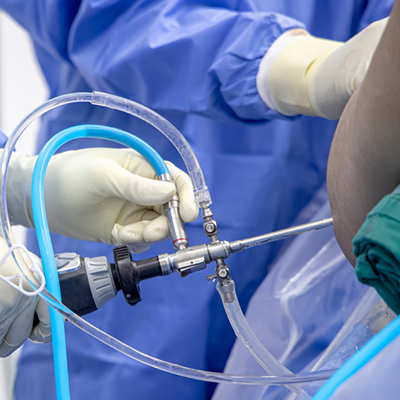
Arthroscopic surgery for ACL tears
Arthroscopy offers numerous benefits for ACL tear treatment, including minimally invasive procedures that reduce tissue damage, leading to less postoperative pain and quicker recovery. It provides enhanced visualization of the knee joint, allowing precise repair or reconstruction of the torn ligament. This targeted approach minimizes scarring and decreases the risk of complications. ACL tear treatment also facilitates early mobilization and rehabilitation, restoring knee stability and function more efficiently. Additionally, it allows for concurrent treatment of associated knee injuries, optimizing overall joint health. Ultimately, arthroscopy improves surgical outcomes, shortens hospital stays, and enables patients to return to daily activities and sports sooner.
Arthroscopic surgery for shoulder pain
Shoulder arthroscopy is a widely performed orthopedic procedure, ranking as the second most common surgery in this field, especially when persistent shoulder pain resists conservative treatments like rest, physical therapy, or medication. Typically caused by injury, repetitive overuse, or aging processes, shoulder issues addressed through arthroscopy include rotator cuff tears, bone spurs, stubborn frozen shoulder characterized by pain and stiffness, soft tissue injuries around the socket, osteoarthritis, torn ligaments, and recurrent shoulder dislocations. During the minimally invasive surgery, shoulder pain doctor can effectively remove inflamed tissues, repair damaged structures, and address specific problems, ultimately aiming to restore shoulder function and alleviate discomfort.
Arthroscopic surgery for other joint issues
- Elbow arthroscopy is a minimally invasive surgery recommended when nonsurgical treatments fail to relieve persistent pain, inflammation, or stiffness. It effectively treats conditions like tennis elbow, loose cartilage or bone fragments, osteoarthritis, rheumatoid arthritis, and specific fractures, helping to reduce symptoms and improve elbow function.
- If ankle pain persists despite steroid injections or physical therapy, ankle arthroscopy may be recommended to address issues like bone deformities, swelling, loose bones or cartilage, and torn ligaments, helping improve mobility and reduce discomfort through minimally invasive surgical intervention.
- Hip arthroscopy is a minimally invasive surgical procedure that addresses a range of hip conditions such as femoroacetabular impingement, labral injuries, loose bone or cartilage fragments, hip dysplasia, and tendon tears, typically resulting in a faster recovery process. However, in cases of extensive cartilage deterioration or advanced arthritis, a total hip replacement might be advised when conservative treatments no longer provide relief.
- Wrist arthroscopy, ranking as the third most frequently performed arthroscopic procedure, offers a minimally invasive approach to treating various wrist conditions such as cysts, sprains, fractures, inflammatory arthritis, and torn ligaments or cartilage. This technique effectively alleviates symptoms like pain, swelling, and clicking, leading to enhanced joint mobility and increased patient comfort while reducing recovery time compared to traditional open surgeries.
Preparing for Arthroscopy
Preparing for arthroscopy involves several key steps to ensure a smooth procedure and recovery. Patients should undergo a thorough medical evaluation, including blood tests and imaging studies like MRI or X-rays, as recommended by their surgeon. It's essential to inform the orthopedic surgeon of any medications, especially blood thinners, and to follow instructions regarding fasting before surgery. Arrangements for transportation post-procedure are necessary, as anesthesia may impair driving ability. Choosing loose, comfortable attire and refraining from applying lotions or creams on the day of surgery can help streamline the procedure and ensure optimal conditions for medical staff. Postoperative plans, including physical therapy and medication management, should be discussed in advance to optimize recovery outcomes.
What happens during Arthroscopy?
Arthroscopy is a minimally invasive surgical procedure where a small camera called an arthroscope is inserted into a joint through tiny incisions, allowing the surgeon to view and diagnose internal joint issues such as damaged cartilage, ligaments, and bones in real-time. Using specialized miniature instruments for sports injury treatment repairs or tissue removals can be performed with high precision. This approach usually results in less pain, minimal scarring, and faster recovery compared to open surgery. Anesthesia options vary from general, spinal, to local, depending on the joint and condition, ensuring patient comfort during the procedure.
Arthroscopy recovery time
Arthroscopy recovery varies based on procedure and individual health, typically involving rest, limited weight-bearing, and physical therapy. Patients often experience minimal scarring and quicker healing, with many resuming daily activities within days to weeks. Pain and swelling usually improve within the first week, and a structured rehab plan from the orthopedician focusing on gentle exercises and gradual strengthening is essential for restoring joint function. Full recovery can take several weeks to months, with most experiencing significant improvements over time. Complications are rare but require prompt medical attention if symptoms like severe swelling or fever occur. Adherence to medical advice and patience are key for optimal outcomes.
If you or someone you care about is experiencing persistent joint pain or issues, consider scheduling a consultation with Dr. Prashanth Chalasani, a highly respected orthopedic surgeon at Bezawada Hospitals. His expertise in diagnosing and treating joint conditions ensures personalized care and effective recovery plans, helping you regain mobility and comfort swiftly.
Have any Query or Need more Information